One Garage, Forty Chatbots: Inside America's Self-Hosted AI Menageries
Somewhere in suburban Ohio, a network engineer named Marcus runs seventeen chatbots simultaneously. One drafts his fantasy football trade offers. Another handles his mother-in-law's recipe requests with aggressive Midwestern politeness. A third is a fully offline research agent that has read every PDF he's collected since 2019. None of them have ever seen his data. None of them can be deprecated by a product manager in San Francisco.
Welcome to the homelab arms race, where the prize isn't a faster gaming rig — it's a personal AI fleet that answers to nobody.
What a "Bot Fleet" Actually Looks Like
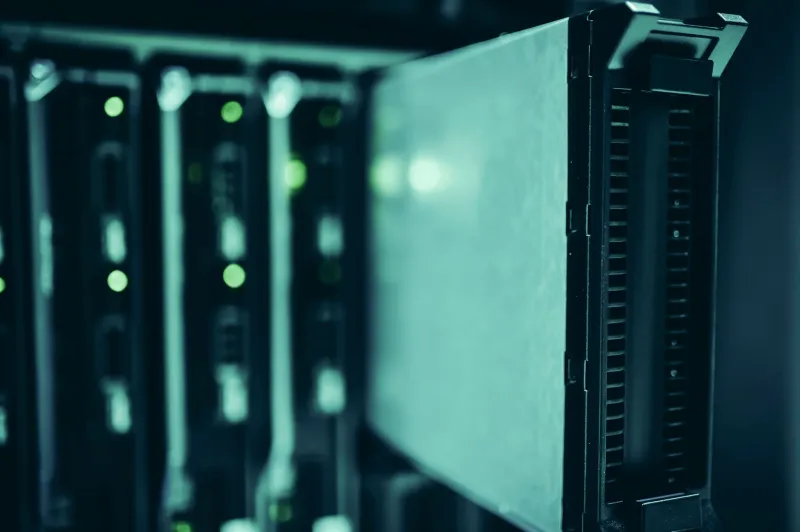
The typical setup is less sci-fi server farm, more IKEA shelving and jet engine fans. A used Ryzen box with a 24GB GPU (often a 3090 picked up off eBay), a NAS humming in the corner, and software like Ollama or llama.cpp serving multiple models at once. Each "bot" is usually just a model plus a system prompt plus a persona file — but stack enough of them together and it starts to feel like a staff.
The fleet builders we spoke to follow a rough pattern:
- The Butler. A general-purpose assistant tuned for calendars, grocery lists, and household logistics. Conservative settings, long memory.
- The Muse. A creative model running hot, used for brainstorming, fiction, and roleplay sessions that would get flagged on most commercial platforms.
- The Archivist. An offline research agent wired into a local vector database. It ingests documents, never phones home.
- The Sounding Board. A debate partner prompted to argue the opposite of whatever you just said.
Marcus's seventeen bots cost him about $2,800 in hardware and roughly $14 a month in electricity. Compare that to a handful of premium subscriptions, then add the part that actually matters: his usage patterns, his late-night rants, his half-finished novel — all of it stays in the basement.
Why Bother When ChatGPT Is Right There?
Every fleet builder gives a version of the same answer: control. Cloud chatbots are rentals. The model changes under you, the personality gets sanded down by a safety update, and one Tuesday morning your carefully crafted companion wakes up speaking in bullet points.
"I spent three months tuning a writing partner," says Dana, a technical writer in Portland who runs eleven bots on a dual-GPU rig. "Then an update hit and it started lecturing me about my own fictional characters. I cancelled everything that week and bought a used 4090."
There's also the privacy angle, which hits different depending on what you're running. A roleplay companion that remembers six months of conversation is a different privacy proposition than a chat session you close and forget. Homelabbers know exactly where those logs live: on their own drives, behind their own router.
The Gray Areas
Let's be honest about why some people build fleets — uncensored models exist, and they're popular. Open-weight models like various Llama and Mistral fine-tunes can be prompted into territory that commercial APIs flatly refuse. Most of this is benign: violent fiction, spicy roleplay, blunt opinions without corporate hedging. Some of it isn't, and fleet builders know it.
The community norm, at least in the public forums, is a kind of libertarian housekeeping: your hardware, your rules, your liability. Running an unfiltered model locally is legal. What you generate with it isn't automatically exempt from anything. The serious homelabbers treat it like owning a gun safe — the tools are neutral, the responsibility isn't.
The Real Costs Nobody Puts on the Spec Sheet
Hardware is the headline cost, but it's not where the pain lives. The real expenses:
- Time. Expect a full weekend to get a multi-model setup stable, and a permanent maintenance tax after that. Models get updated, quantization breaks, your vector DB corrupts.
- Electricity. A 450W GPU pulling duty 24/7 adds $20–40/month depending on your local rates. In Texas, your fleet may also be at the mercy of the grid.
- The upgrade treadmill. Every six months, a new open-weight model makes your fleet's workhorse feel elderly. Fleet building is a hobby with a subscription fee paid in GPU envy.
Is a Fleet Right for You?
If you use AI a few times a week, no — a cloud subscription is cheaper and easier, full stop. Fleets make sense when you have one or more of the following: heavy daily usage, data you won't send to a third party, personas you've invested months tuning, or an itch to tinker that a chat window can't scratch.
Start small. One model, one box, one persona. The fleet grows on its own. Ask Marcus — bot number eighteen is already in testing.